What is Low-Dose Naltrexone (LDN)?
Naltrexone is a medication traditionally used at higher doses (50-100mg) to block the effects of opioids and has been used in addiction treatment for many years. However, at much lower doses (typically 0.5mg to 4.5mg), naltrexone has a different mechanism of action and is used to treat autoimmune and chronic pain conditions.
How does LDN work?
LDN’s therapeutic effects are believed to stem from several mechanisms:
- Increases Endorphins: By temporarily blocking opioid receptors, LDN prompts the body to produce more of its natural pain-relieving and mood-boosting chemicals.
- Supports Immune Balance: It may help modulate the immune system, preventing over reactivity in autoimmune conditions. When these immune “look-out cells” get excited, they signal the immune system to get overly busy, which can cause or worsen autoimmune and inflammatory responses.
- Reduces Inflammation: LDN has anti-inflammatory properties that can help alleviate chronic inflammation throughout the body, including the gut and the brain.
- Supports Nervous System Health: LDN calms glial cells in the nervous system. Glial cells make up over 70% of the nervous system and can either protect nerve pathways or cause inflammation of nerves. We want our glial cells to remain in a calm and protective mode to reduce inflammation in the brain and nervous system!
- May Improve Dopamine Activity: Some research suggests LDN could influence dopamine levels, which are crucial for mood, motivation, and movement.
What conditions is LDN used for?
LDN is often prescribed for a range of conditions, including:
- Autoimmune Diseases: Multiple Sclerosis (MS), Crohn’s Disease, Rheumatoid Arthritis, Lupus, & Hashimoto’s Thyroiditis
- Chronic Pain Conditions: Fibromyalgia, Chronic Fatigue Syndrome & neuropathic pain
- Neurological Conditions: Parkinson’s Disease or post-viral fatigue, such as Long COVID
- Dermatological Conditions: Psoriasis & Eczema
- Mood Disorders: Depression & Anxiety
LDN is considered an off-label therapy for many of these conditions. Patients should discuss potential benefits and risks with their healthcare provider.
Is LDN FDA-approved?
Naltrexone is FDA-approved in higher doses for specific indications. Low-Dose Naltrexone is a compounded preparation prescribed by a pharmacist and is not specifically FDA-approved for the treatment of chronic pain, autoimmune diseases, or other conditions commonly associated with LDN use.
Why is LDN compounded?
Commercially available naltrexone tablets are generally manufactured in higher strengths. Compounding allows pharmacists to prepare customized low-dose formulations tailored to a patient’s prescribed dose.
What is the typical starting dose?
Common starting doses may range from 0.5 mg to 1.5 mg, with adjustments based on individual response and tolerability.
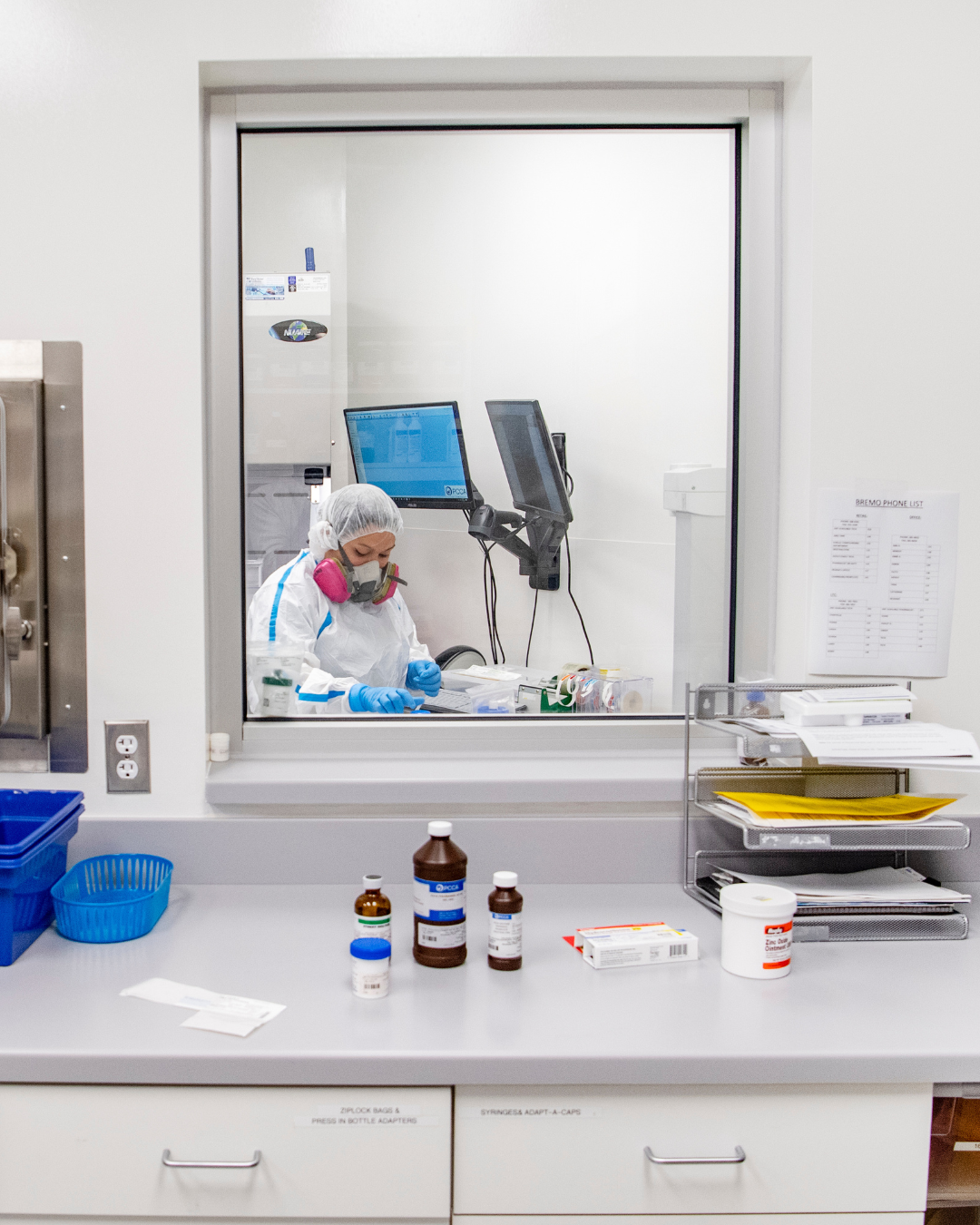
Due to the small and specific amounts needed for dosing, specialized compounding pharmacies, such as Bremo Pharmacy, compound LDN into capsules, sublingual troches, sublingual liquids, and oral suspensions. LDN is typically started at a very low dose and gradually increased to allow your body to adjust. A common titration schedule might look like this:
- Starting Dose: 0.25 mg to 1 mg taken once daily at bedtime.
- Maintenance Dose: Increase by 0.25 mg to 0.05mg to a tolerable dose for patients that is usually between 2.5 mg to 4.5 mg daily. (Always follow the specific dosage instructions provided by your healthcare provider or your Bremo Pharmacist.)
Why do you need to titrate LDN?
A commonly used approach is to begin at 1 mg to 1.5 mg, depending on the patient’s condition and clinical goals, and increase the dose every 1 to 2 weeks as tolerated.
Because patients can respond differently to LDN, a gradual titration schedule allows the body to adjust to treatment and may help minimize potential side effects such as vivid dreams, sleep disturbances, headaches, or temporary changes in symptoms. This approach can be particularly helpful for individuals with complex inflammatory, autoimmune, or chronic pain conditions who may be more sensitive to medication changes.
The goal of titration is to find the lowest effective dose for each individual patient. While many patients ultimately take 4.5 mg daily, some experience optimal results at lower doses. Working closely with your healthcare provider can help determine the dose that is best suited to your specific needs.
How long does it take to notice results?
Response times vary from person to person. Some patients report noticing changes within a few weeks, while others may require several months of consistent use. Patients should follow their healthcare professional’s recommendations and maintain realistic expectations regarding treatment response.
What dosage forms are available?
Depending on your prescription and needs, LDN may be compounded as:
- Capsules
- Oral Sublingual liquid suspensions
- Oral liquid suspensions
- Sublingual Troche
What is the sublingual liquid suspension formulation?
A sublingual liquid suspension is a customized formulation of Low-Dose Naltrexone (LDN) designed to be administered under the tongue, where it is held briefly for about a minute before swallowing. This dosage form can be beneficial for patients who have difficulty swallowing capsules, require highly individualized dosing, or prefer a liquid option. Using the sublingual suspension allows dosing in 0.1 mL increments, making it easy to titrate from very low doses (e.g., 0.5 mg, 1 mg, 1.5 mg) without needing multiple capsule strengths.
Sublingual administration allows the medication to begin absorbing through the tissues of the mouth while also being swallowed and absorbed through the gastrointestinal tract. The liquid formulation also makes it easier to make small dose adjustments during the titration process, which can be particularly helpful for sensitive patients.
What are the most common side effects?
While generally well-tolerated, some individuals may experience side effects, especially when starting LDN. These are often mild and transient and side effects improve as the body adjusts to therapy:
- Vivid Dreams: You might notice more intense or unusual dreams.
- Trouble Sleeping: If taken too close to bedtime, it can sometimes interfere with sleep.
- Mild Headaches: These are typically short-lived.
- Body Aches: Some patients report temporary muscle or joint discomfort or worsening of symptoms before improvement in immune and inflammatory function.
Can LDN be taken with opioid pain medications?
Because naltrexone interacts with opioid receptors, LDN may not be appropriate for patients actively taking opioid medications and may cause withdrawal. Patients should always inform their healthcare provider and pharmacist about all medications they are taking before starting LDN.
Who should not take LDN?
LDN medication therapy may not be suitable to take if you are:
- Taking opioid medications such as hydrocodone, oxycodone, morphine, tramadol, fentanyl, or codeine, as naltrexone can interfere with opioid effects and may trigger withdrawal symptoms.
- Dependent on opioids or undergoing opioid withdrawal.
- Known to have an allergy or hypersensitivity to naltrexone or any ingredient in the compounded formulation.
- Scheduled for surgery and may require opioid pain medications during recovery. Patients should discuss timing and medication management with their healthcare provider.
- Known to have certain liver conditions, as naltrexone is metabolized by the liver and may require additional monitoring.
Can I breastfeed while taking LDN?
If you are breastfeeding and taking Low-Dose Naltrexone (LDN), it is important to discuss your individual situation with your healthcare provider. Limited available data suggest that naltrexone passes into breast milk in very small amounts, and infant exposure is expected to be low. However, research specifically evaluating Low-Dose Naltrexone during breastfeeding is limited and should be discussed with your healthcare provider.
Does insurance cover LDN?
Coverage varies by insurance plan. Because LDN is commonly compounded, some plans may not provide coverage. Our Bremo Pharmacy team can help you understand your options and discuss pricing.
How do I get started taking LDN?
The first step is to speak with your healthcare provider to determine whether LDN may be appropriate for your situation. If prescribed, our pharmacists can work with you and your provider to prepare a customized formulation and answer any questions you may have.
Have More Questions?
Our pharmacists are available to discuss compounded medications, dosing options, administration, and general information about Low-Dose Naltrexone. Contact us to learn more.
Are you a medical provider and would like to learn more about LDN prescribing?
We collaborate with prescribers to ensure every LDN preparation is customized to the patient’s needs and meets our highest standards for quality, consistency, and care. Our clinical pharmacy team is available to support providers with formulation options, dosing considerations, and patient education throughout LDN therapy
Interested in partnering with Bremo Pharmacy for Low-Dose Naltrexone compounding? Send us a message — our team would be happy to help. https://hushforms.com/bremorx


